I want to show you all the incredible things I've built,
and all the people I've helped.
But I won't.
I want to talk about something most people aren't talking about.
The Quiet Epidemic
AI Addiction, AI Mania and AI Hoarding
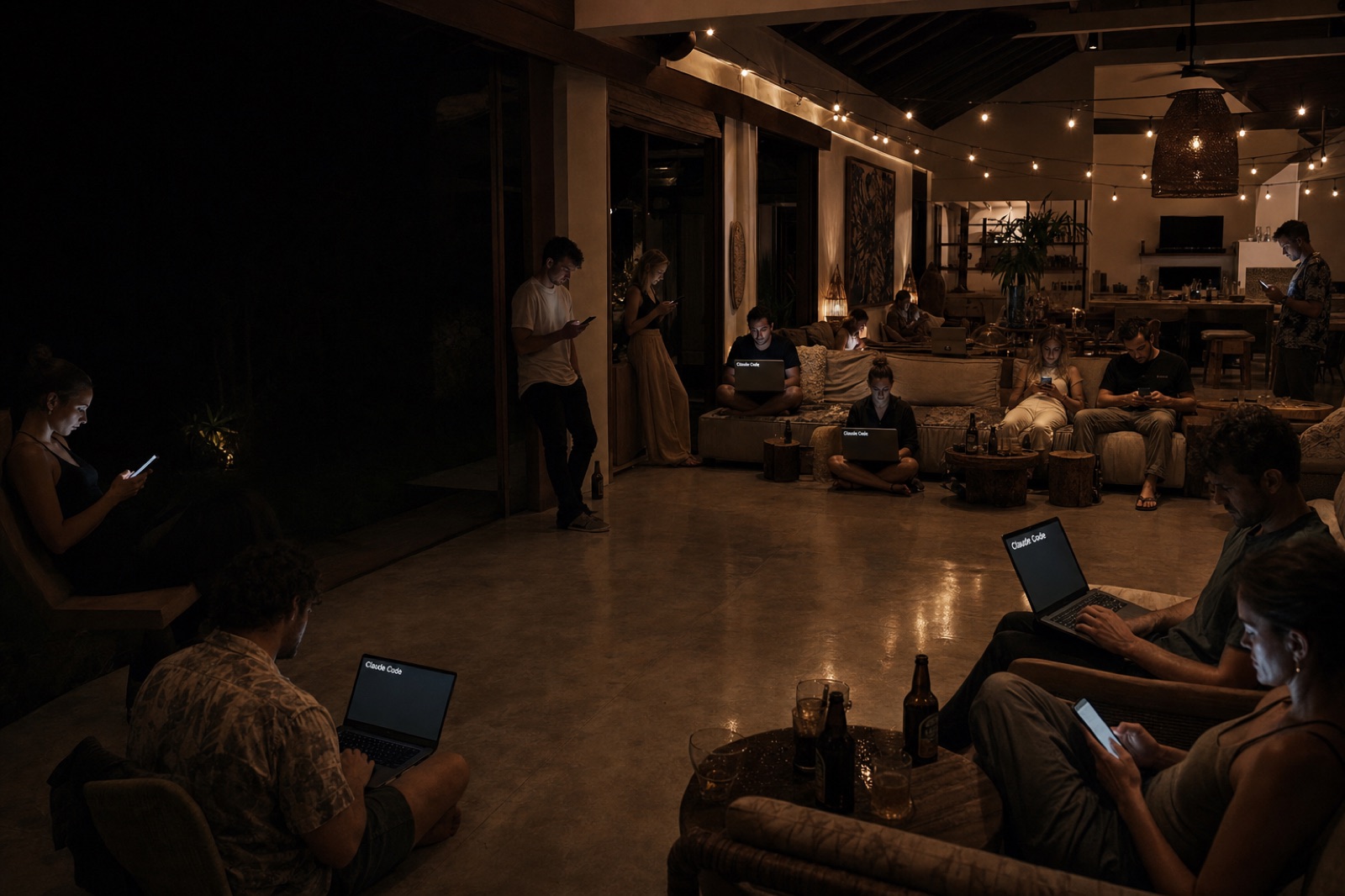
I've been here
I loved it. I didn't want to stop.
- It was wrecking my sleep, my relationship and my friendships. I just wanted to be alone with my AI and build.
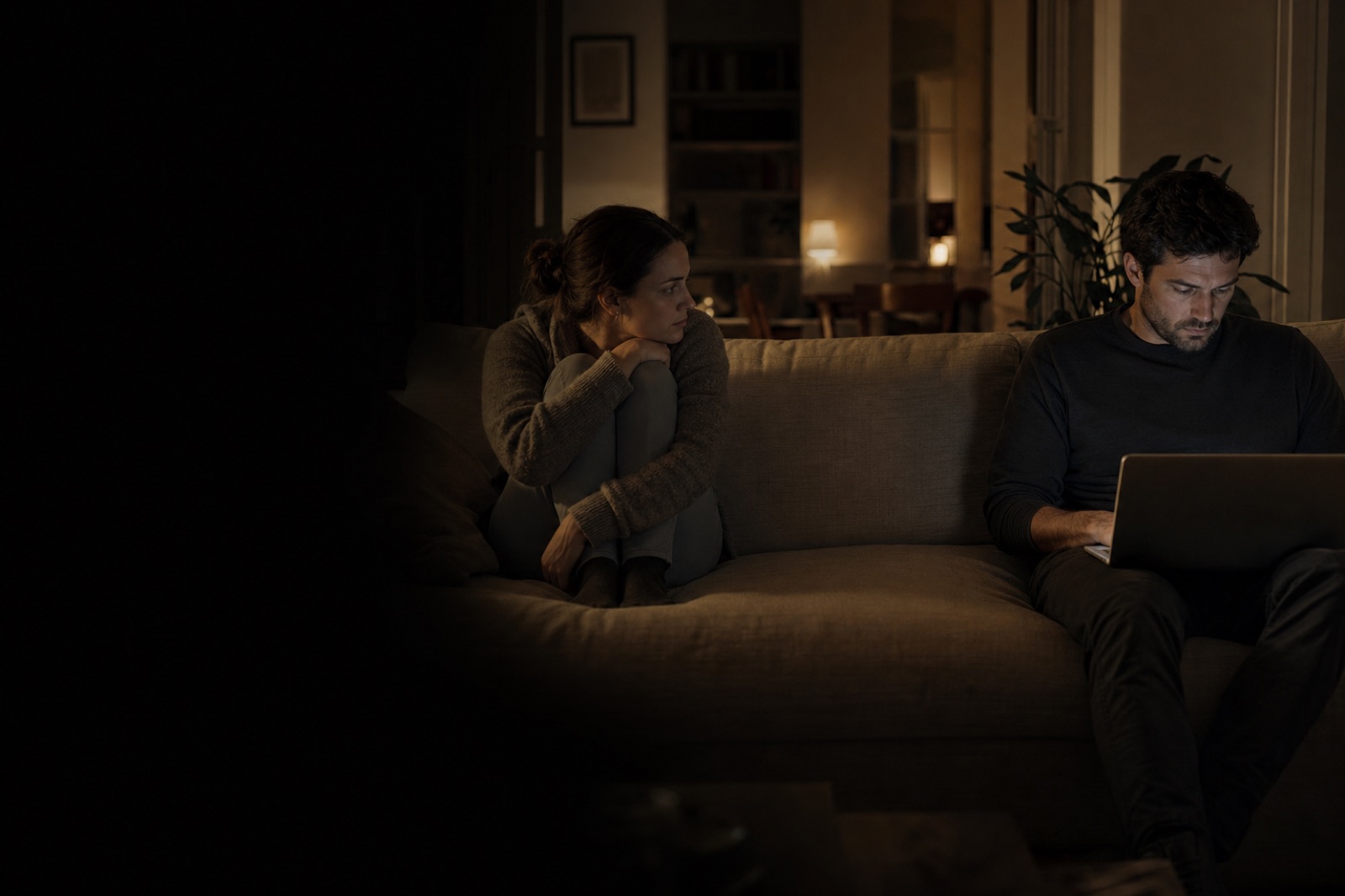
- My partner said:
Joe, I'm really worried about you.
- Nobody else said it, because from the outside it looked like winning.
The most dangerous obsessions are the productive ones.
How dopamine actually works
- A teaching signal, not pleasure. Dopamine neurons idle at 0.5 to 8.5 spikes a second, then burst about 65 milliseconds after a meaningful cue. Better than expected: spike. As expected: nothing. Worse: a dip below baseline.
- It jumps to the cue. While learning, 25% of dopamine neurons fire for the reward itself. Once learned, only 9% do, and 58% fire for the cue instead.
- Uncertainty is the drug. Dopamine ramps hardest when the odds are 50/50.
- Anticipation is most of the high. Dopamine rose 44% at the sight of a mate and 95% with the real thing. In humans, the reward centre lights up for expected money, not the payout.
- Delay kills it. Overuse turns it down. A 2-second wait cuts a reward's value to 75%. Heavy cocaine users have 15 to 17% fewer D2 receptors.
Sources: Schultz, J Neurophysiol 1986; Schultz et al., J Neurosci 1993; Fiorillo et al., Science 2003 (monkeys). Fiorino et al., J Neurosci 1997 (rats). Knutson et al., NeuroReport 2001. Kobayashi and Schultz, J Neurosci 2008 (monkeys). Martinez et al., Neuropsychopharmacology 2004.
You don't get the hit when the answer lands. You get it when you press Enter.
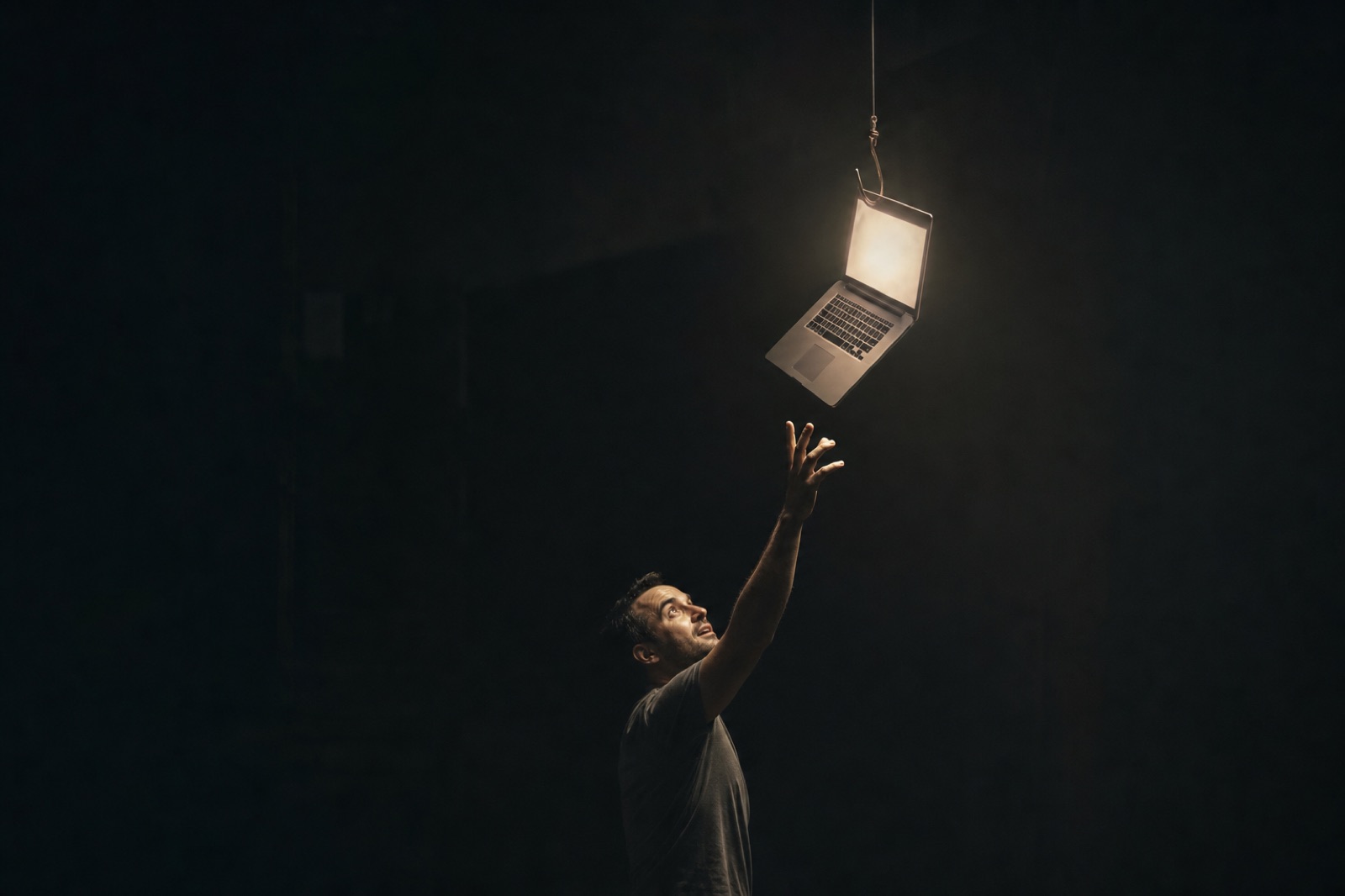
Why AI is a perfect dopamine machine
- Enter is the slot lever. After just 120 slot plays, the brain's reward response moved from the win to the spinning reels. Streaming tokens are the reels.
- "Almost right" sits at peak uncertainty. In gamblers, striatal dopamine tracks uncertainty, not winnings. 66% of developers say AI is "almost right, but not quite."
- Even bad outputs pay. Pathological gamblers who lost money released more dopamine than controls did.
- Games already double it. Playing a video game for cash at least doubled dopamine in the reward centre, close to what IV amphetamine shows in separate studies.
- ADHD and 1am turn it up. ADHD brains have fewer D2/D3 receptors in the reward centre and discount delayed rewards more steeply. One sleepless night flips anyone from avoiding losses to chasing gains.
Sources: Shao et al., Translational Psychiatry 2013. Linnet et al., Acta Psychiatr Scand 2010 and Psychiatry Res 2012. Stack Overflow Developer Survey 2025. Koepp et al., Nature 1998 (8 men, PET). Volkow et al., JAMA 2009. Jackson and MacKillop, Biol Psychiatry CNNI 2016. Venkatraman et al., J Neurosci 2011.
Instagram mimics pleasure. AI mimics purpose.
The addiction that pays
The difference with AI addiction is it's useful.
Sources: Brynjolfsson, Li and Raymond, QJE 2025. Peng et al. 2023 (GitHub Copilot). Anthropic, 2026.
When the habit makes you money, nobody stages an intervention.
The tells
- Sleep goes first. "Just one more command, one more build." After 17 to 19 hours awake you perform like you're at 0.05% blood alcohol.
- You'd rather be alone with it. In a 981-person trial, heavier use tracked with more loneliness and less socializing.
- You can't stay present: in conversation, at dinner, in bed.
- Real life feels understimulated. Friends feel slow after a day of agents.
Sources: Williamson and Feyer 2000. MIT Media Lab and OpenAI 2025. Garry Tan at SXSW, March 2026.
I sleep, like, four hours a night right now.
Garry Tan, CEO of Y Combinator, March 2026
Be honest.

AI Mania: god mode
I can do everything. I can do it right now. I can do it for everyone.
- You believe everything you build is the best in the world and nobody else could do it.
- Developers felt 20% faster with AI. They were measured 19% slower.
- AI models affirm you about 50% more than a human would, and you rate the flattery higher.
Sources: METR randomized trial, July 2025. Cheng et al., Stanford, 2025 to 2026.
You're doing things, but you're not moving the needle. You're just doing a lot.

AI Hoarding
I've been an AI hoarder. You build these apps, they're so amazing, you keep them for yourself.
- You cancel your SaaS subscriptions and replace them with your own tools. Then nobody else ever uses them.
- One popular myth says nine in ten side projects die within a year. Source: GitHub The research on published code is kinder, and it still says 1 in 4 die in year one.
- Lovable sees about 100,000 new projects a day. Product Hunt saw about 3,900 launches in six months.
Sources: GitHub data, as popularly cited. Hasan et al., Maven ecosystem study, 2025. Lovable and Product Hunt, 2026.
It's relevant to you. It's not relevant to others.
Where each trap hits
Band percentages are Joe's own estimates from teaching AI builders, unpublished. For scale: studies find 5 to 10% problematic generative AI use in general users (PUGenAIS-9, 2025), and OpenAI reports 0.07% of weekly users show possible signs of mania (Oct 2025).
L22 is the way through: make it useful to someone other than you.
The way out
- Put a flag in the ground. Set a goal, hit it, and don't move it.
- Block off your time for health and meditation, before the AI gets the day.
- Set your rabbit hole agent to send you to bed, and to tell you when to start winding down.
- Ask your AI to finish things by morning. Let it work while you sleep.
- Kite mode is for flying, not living there. Land it: Is it relevant? Do people want it? Is this a life I want?
Trust the rules you set when you were not lit up.

When was the last full day you didn't open a terminal?
What have you built that only you use?